


A thoughtful first step
Inheriting a home can be both an emotional and practical crossroads. For many families in Central Florida and Florida’s Space Coast, the property left behind holds memories—and sometimes complex legal, tax, and financial questions. Before listing an inherited property, assembling a coordinated professional team is the single most effective way to protect value, reduce delays, and help everyone involved make informed decisions.
Over the next four posts in this October series, I’ll walk you through the key considerations for inherited property in Florida. This opening article explains why an early, collaborative team matters and outlines the professionals who most often make a meaningful difference for heirs and families.
Why coordination matters from day one
Time is rarely neutral when a property is inherited. Delays can increase carrying costs, allow small maintenance issues to become large problems, and complicate interpersonal dynamics among heirs. A coordinated professional team helps in three important ways:
- Preserve value: Prompt assessments and prioritized repairs prevent deterioration and assess market readiness.
- Reduce risk: Clear legal guidance, accurate title work, and tax advice help avoid surprises that can stall a sale.
- Move decisions forward with clarity: A single, shared plan — even if temporary — reduces confusion and conflict among family members.
Who should be on the team
Not every inherited property needs every professional listed below, but most families benefit from assembling several of these experts early in the process. Here’s a practical roster and what each professional contributes:
Real estate advisor experienced with inherited property
Look for a real estate advisor who understands Florida probate timelines, homestead implications, and the local resale market. An experienced advisor helps estimate realistic value, recommend cost-effective repairs, and coordinate other team members so selling (or keeping) is based on accurate, timely information.
Probate or estate attorney
Florida’s probate process has specific requirements. An estate attorney clarifies who holds title, whether probate is necessary, and what steps are required to transfer the property. When heirs or beneficiaries disagree, an attorney can explain legal options and next steps.
Tax advisor or CPA
Inherited property often raises tax questions: cost-basis adjustments, capital gains considerations if the property is later sold, and how estate or inheritance taxes (if any) may apply. A tax professional helps heirs understand potential tax outcomes and plan accordingly.
Licensed appraiser or certified valuation specialist
An objective, professional valuation is invaluable for informed decisions—whether heirs plan to sell, divide estate assets, or keep the property. A current market appraisal provides a neutral reference point for pricing and planning.
Property manager, contractor, and inspector
Before a sale, a short, prioritized list of repairs may be all that’s needed. A trusted contractor and home inspector can identify urgent issues, estimate costs, and prevent overinvestment in cosmetic upgrades that won’t return value.
Financial planner or mediator (when needed)
Sometimes the decision to keep, rent, or sell depends on broader financial goals or family dynamics. Financial planners help model cash flow and long-term implications. Mediators or family counselors can help resolve disputes so practical decisions can move forward.
How a coordinated team works in practice
Coordination means more than hiring multiple advisors independently. It means a shared timeline, clear roles, and a plan for communication. A practical sequence often looks like this:
- Confirm legal title and probate requirements with an estate attorney.
- Order an appraisal to establish current market value.
- Have a licensed inspector evaluate safety and major systems.
- Get contractor estimates for prioritized, value-preserving repairs.
- Consult a tax advisor about basis, timing, and likely tax outcomes.
- Discuss the options—sell, rent, keep, or transfer—with your real estate advisor and financial planner.
When team members communicate, you reduce rework and conflicting advice. For example, an appraiser’s input will shape repair priorities, and a tax advisor might flag timing considerations that affect whether you list the property this year or next.
Common complications a coordinated team helps avoid
Here are some issues that commonly delay or reduce the value of inherited property — and how a team mitigates them:
- Title and ownership disputes: Early legal review uncovers liens, joint tenancy issues, or ambiguous beneficiary designations.
- Deferred maintenance that escalates: An inspector and contractor can identify and fix urgent problems before they worsen.
- Tax surprises: A CPA clarifies whether sale timing or improved basis strategies can reduce tax burden.
- Family disagreement: A mediator or experienced advisor helps translate emotions into options and timelines.
First practical steps for heirs
If you’re newly responsible for an inherited property in Florida, here are three immediate actions that bring order without rushing decisions:
- Locate critical documents: last will, deed, mortgage statements, homeowners insurance policy, and recent property tax records.
- Contact a probate or estate attorney to confirm title status and whether probate is required.
- Reach out to a real estate advisor familiar with inherited property to begin a value assessment and discuss next steps.
If you’d like a clear, compassionate guide to help assemble the right team for your situation, refer to the checklist above and consider starting with an attorney and a real estate advisor. Small early steps reduce stress and protect the family’s options.
— Alessandra Gräfin Kamensky, International Relocation & Life Transition Real Estate Advisor | CIPS® | CDS®
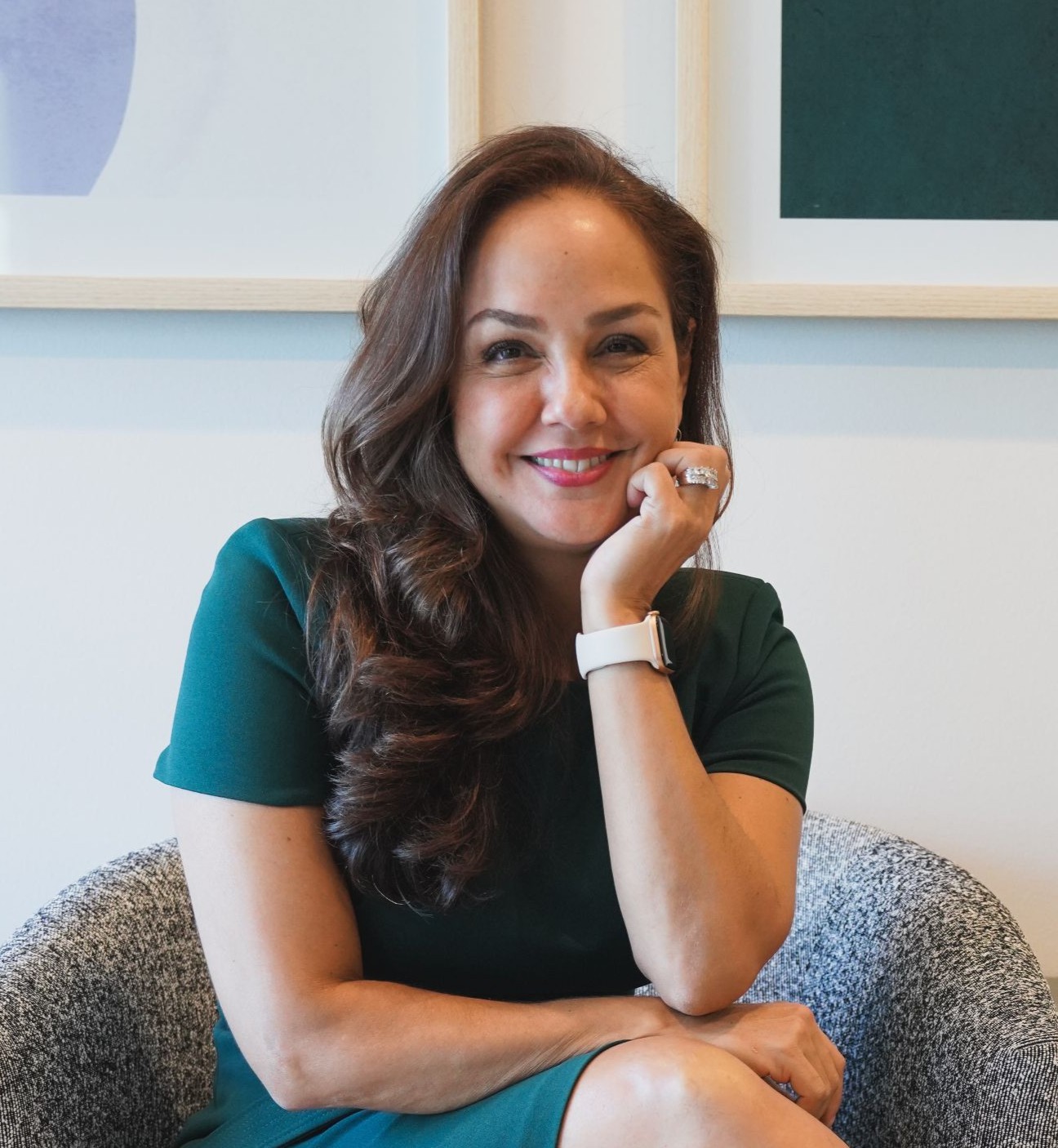
Need personalized guidance?
Get a compassionate, practical next step for your inherited property
If you’re managing an inherited home in Central Florida or the Space Coast, I can help you assemble the right professionals and create a clear, calm plan. Schedule a confidential consultation to review documents, prioritize next steps, and protect your family’s options.